

The Best Historical Places in Luxor and Aswan

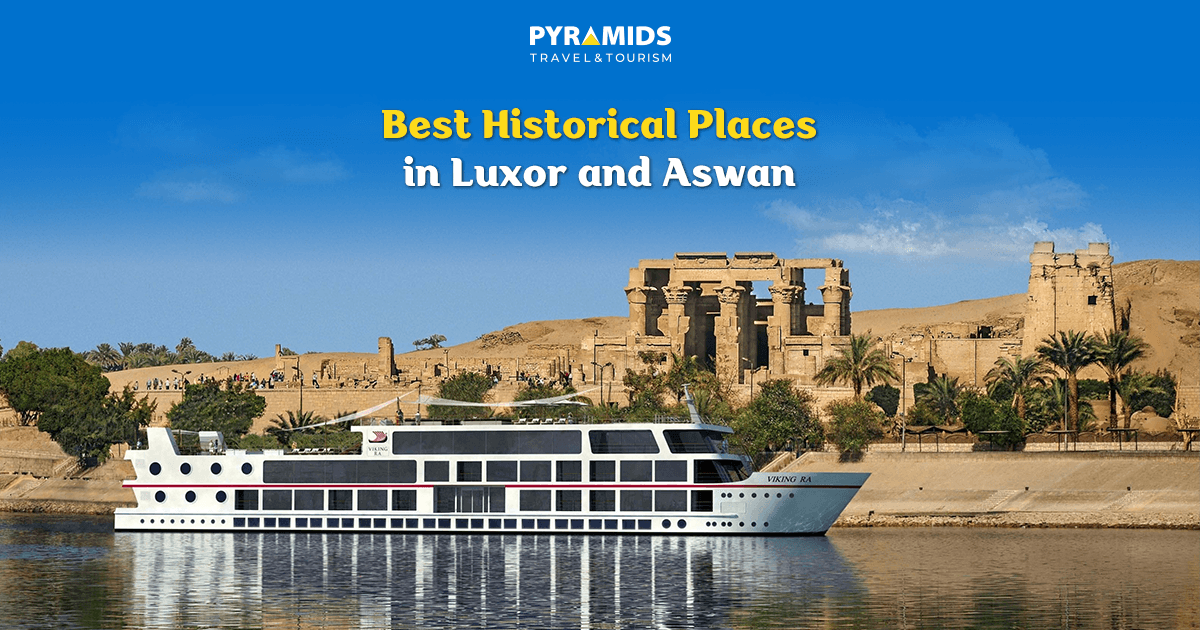
The best historical places in Luxor and Aswan are a true treasure for anyone seeking the greatness of ancient Egyptian civilization. The historical landmarks in Luxor harmonize with the charm of the Nile, telling the stories of kings and eternal temples, while the archaeological sites in Aswan captivate visitors with their unique beauty and fascinating details. In this article, let us take you on a journey to discover the historical tourist attractions in Luxor and Aswan.
The Best Historical Places in Luxor and Aswan
Luxor and Aswan are among the most important cultural centers in the history of ancient Egypt, as they played a pivotal role in shaping the features of Pharaonic civilization throughout the ages. Luxor, which was known in ancient times as Thebes, was a flourishing religious and political capital and home to the greatest temples and kings, making it a major center of power and worship.
As for Aswan, it was the southern gateway of Egypt and a vital link with Africa, where trade flourished and it served as an important source of granite used in building temples and obelisks.
The historical landmarks in Luxor and the archaeological sites in Aswan reflect the remarkable architectural and artistic advancement achieved by the ancient Egyptians, allowing these cities to stand as enduring witnesses to a magnificent history that continues to amaze the world to this day.
Read more: Egypt visa for Arab nationalities
The Magnificence of Pharaonic Architecture in Karnak and Luxor Temples
Karnak and Luxor Temples are a seamless architectural masterpiece that reflects the grandeur and evolution of the Pharaonic civilization throughout the ages. Their function was not limited to being mere places of worship; rather, they served as the primary hubs for religious and political life, embodying the state’s power and the prestige of its kings.
Karnak Temple complex originated as a massive religious center, with numerous sections added over hundreds of years, making it one of the largest temples in the ancient world. It is renowned for its towering columns and monumental pylons that narrate the history of the Pharaohs and their remarkable achievements.
Luxor Temple was characterized by a distinct ceremonial nature, as it was closely linked to major religious rituals and festivals—most notably the Opet Festival. During this event, sacred processions would travel between the two temples along the Avenue of Sphinxes in a majestic scene that reflected the profound faith and rituals of the ancient Egyptians. Its design showcases a clear harmony between architectural elements, with a precise arrangement of columns and statues that imbues the site with a grand and balanced atmosphere.
The inscriptions and decorations adorning the walls of both temples reveal a superb level of artistry, recording intricate details of religious rituals, military victories, and glimpses of daily life. They also portray gods and kings in a symbolic style that reflects the core beliefs of the ancient Egyptians. Consequently, these temples remain among Luxor’s most prominent historical landmarks—a living testament to the genius of ancient Egyptian architecture and its unique ability to immortalize history through timeless masterpieces.
Secrets of Royal Tombs in the Valley of the Kings
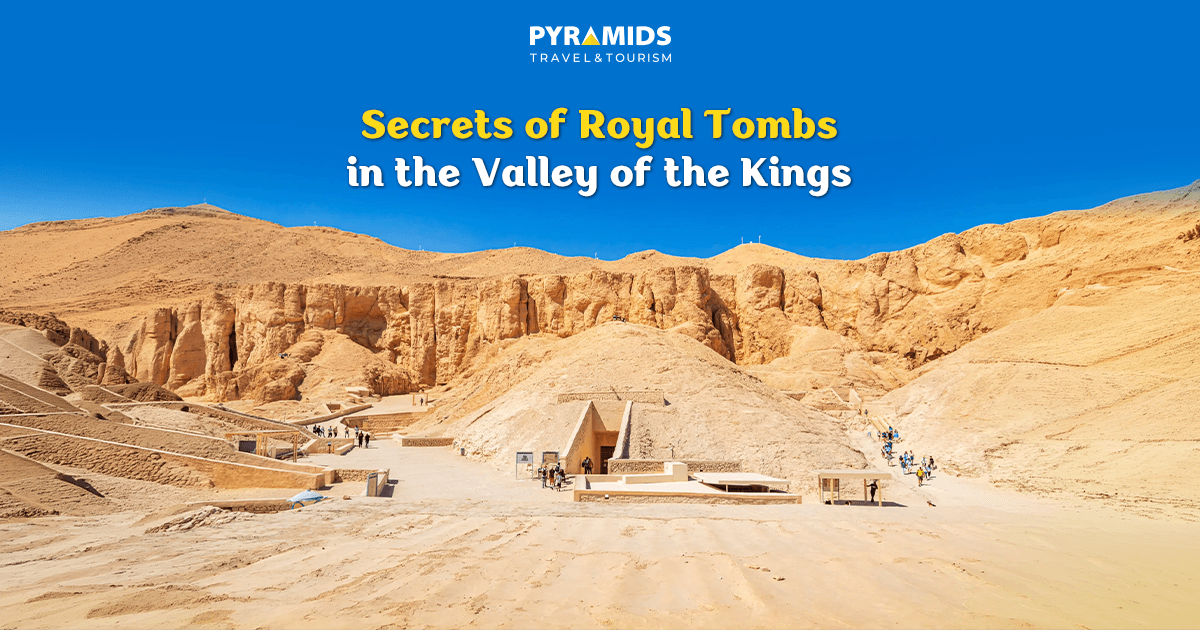
The Valley of the Kings is considered one of Ancient Egypt’s most significant archaeological treasures, housing the tombs of the Pharaohs, which were meticulously constructed within the mountains to protect them from theft and desecration.
This specific location was chosen during the New Kingdom era to serve as the final resting place for royalty. The tombs were carved deep into the rock and adorned with religious inscriptions and sacred texts that depict the king’s journey into the afterlife, while simultaneously reflecting the sophisticated evolution of ancient Egyptian spiritual beliefs.
Prominent among these is the tomb of King Tutankhamun, one of the world’s most famous archaeological discoveries due to the golden treasures and rare artifacts found within. These items, preserved in exceptional condition, have provided deep insights into royal burial rituals and Pharaonic palace life. The significance of the Valley of the Kings extends beyond its material riches; it serves as an artistic and historical record documenting ancient Egyptian beliefs about death and immortality. This makes it one of Luxor’s most outstanding historical landmarks and an indispensable destination for history and civilization enthusiasts.
Hatshepsut Temple: An Architectural Masterpiece in Deir el-Bahari
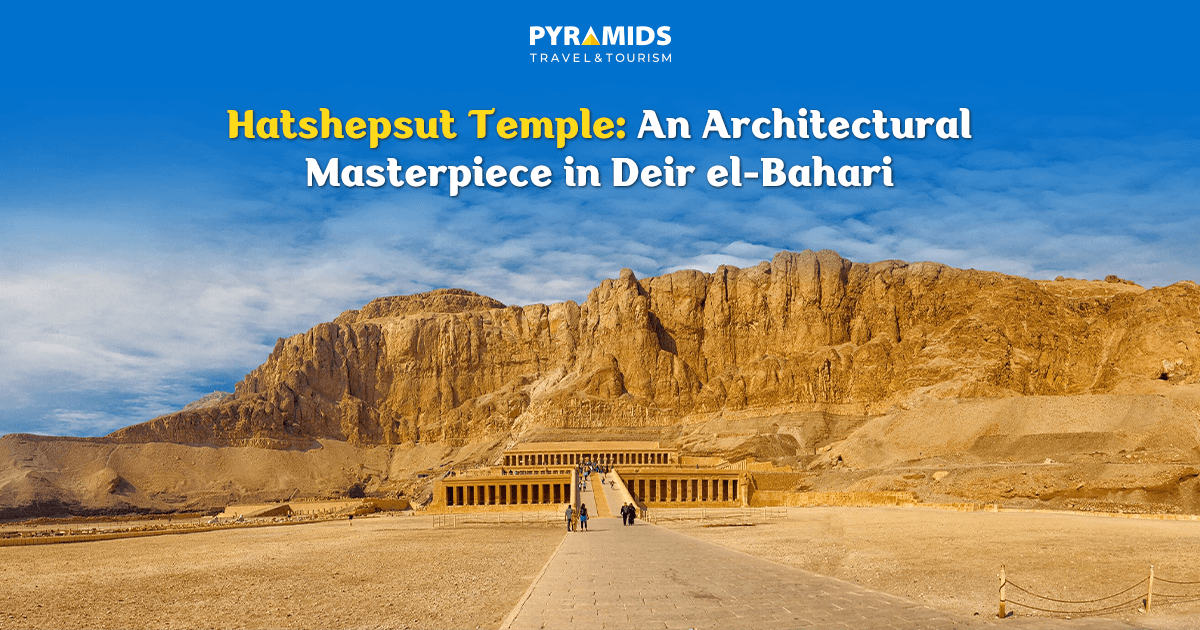
The Temple of Hatshepsut at Deir el-Bahari is considered one of the most prominent and unique masterpieces of ancient Egyptian architecture.
It combines engineering innovation with a breathtaking natural setting in an unconventional design that sets it apart from all other Pharaonic temples.
The temple was built to immortalize the name of Queen Hatshepsut, one of ancient Egypt’s greatest rulers, who left a powerful mark on history through her significant political and architectural achievements.
The temple is distinguished by its architectural terraces that blend harmoniously with the surrounding cliffs.
These terraces are arranged with precise engineering, granting the site a majestic character that combines strength and beauty.
Its walls are adorned with detailed inscriptions documenting the most significant events of Hatshepsut’s reign—most notably her famous expedition to the Land of Punt—which reflects the flourishing trade and economic relations of that era, alongside depictions of religious rituals and royal celebrations.
Today, the Temple of Hatshepsut stands as one of Luxor’s most vital historical landmarks and an essential destination for history and civilization enthusiasts. It offers a unique experience that reveals the genius of the ancient Egyptians and their ability to blend art and nature into a timeless architectural masterpiece.
Top Historical Attractions in Aswan: Between Philae Temple and the High Dam
Aswan is a unique city that blends the essence of ancient Egyptian civilization with the achievements of the modern era, a synergy clearly displayed in two prominent landmarks: the Philae Temple and the High Dam.
Philae Temple embodies the splendor of Pharaonic architecture dedicated to the goddess Isis.
It is distinguished by its enchanting location on an island in the middle of the Nile, with inscriptions that reflect ancient Egyptian beliefs and myths.
As for the High Dam, it represents one of modern Egypt’s most significant achievements.
It has played a vital role in regulating the Nile’s waters, protecting the country from floods, and generating power, becoming a symbol of progress and development.
Together, these two landmarks bridge the past and the present, making Aswan one of the most important historical and tourist destinations in Egypt and the world.
Abu Simbel Temples: A Timeless Engineering Marvel
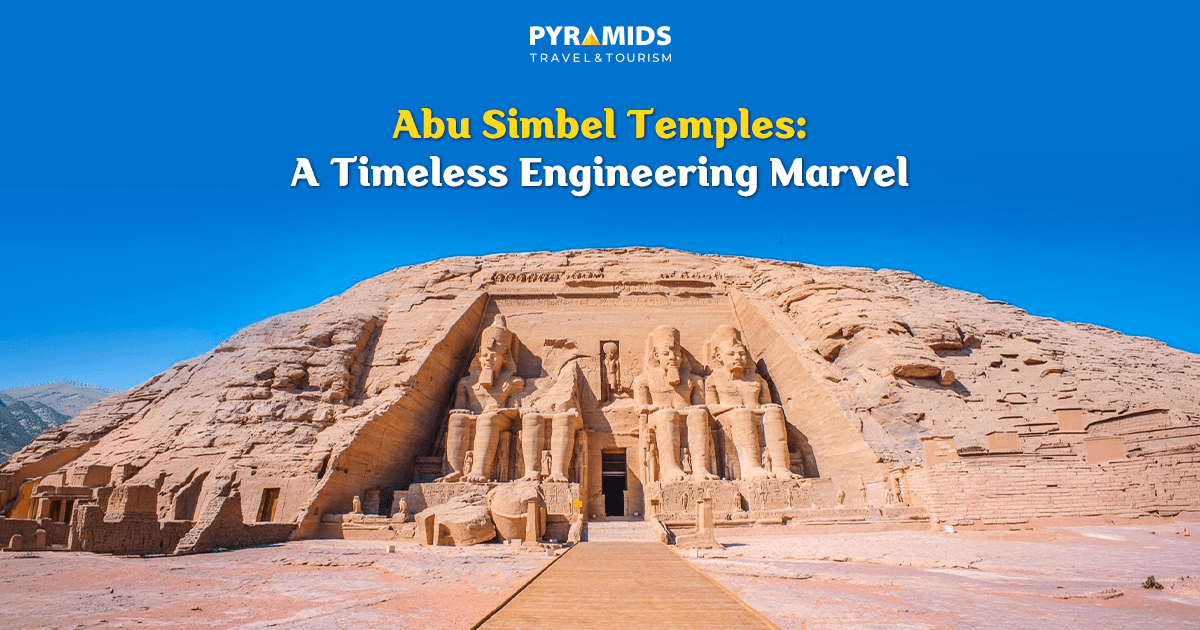
Abu Simbel Temple is considered one of the greatest and most globally renowned achievements of ancient Egyptian civilization. Its fame stems not only from its sheer scale and the splendor of its design—carved into the heart of the mountain—but also from the extraordinary story of its rescue and relocation in one of the largest archaeological preservation operations in history.
The temple was constructed by order of King Ramses II to reflect the prestige of the state during his reign. It is distinguished by a massive facade dominated by colossal statues of the King, carved directly into the rock, in a scene that embodies the power of Pharaonic art and its high engineering precision.
Furthermore, its interior walls contain inscriptions documenting the victories of Ramses II and his religious beliefs, making it a vital source for understanding the history of that era.
With the construction of the High Dam, the temple faced the threat of submersion, prompting a massive international intervention led by UNESCO to save it.
The monument was dismantled, relocated, and reassembled at its current site with astounding engineering precision that preserved its original details.
This operation has since become a global benchmark for the protection of human heritage.
Today, Abu Simbel is classified as one of the world’s most prominent historical landmarks and an unparalleled tourist destination. It uniquely combines the genius of the ancient Egyptians with a modern rescue story that embodies the value of human civilization and the vital importance of its preservation.
Read more:Your comprehensive guide to the best Nile cruises
Best Time to Visit Historical Sites in Luxor and Aswan
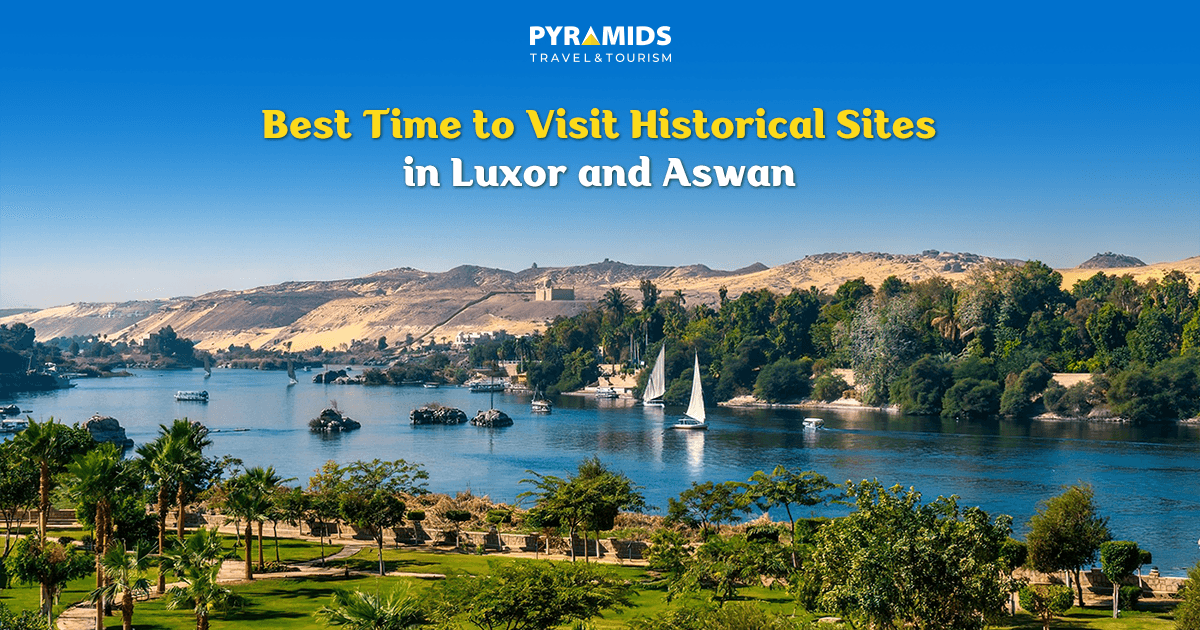
- The period from October to April is the best time to visit historical landmarks in Luxor and Aswan, as the weather is mild and perfect for sightseeing.
- The winter season (December – February) is most preferred by tourists due to the pleasant atmosphere and cooler temperatures.
- It is advisable to avoid the summer months (May – September) It is advisable to avoid the summer months (May – September) because of the extreme heat, especially at open sites like temples and tombs.
- The best times of day to visit are early morning or at sunset to avoid crowds and enjoy the best weather and lighting.
- January and February are ideal for photography and exploring with greater comfort.
- If visiting in the summer, it is best to rely on very early morning or late evening tours to avoid the high midday sun.