

Tourism in Oman: Ultimate Guide for Arab Travelers

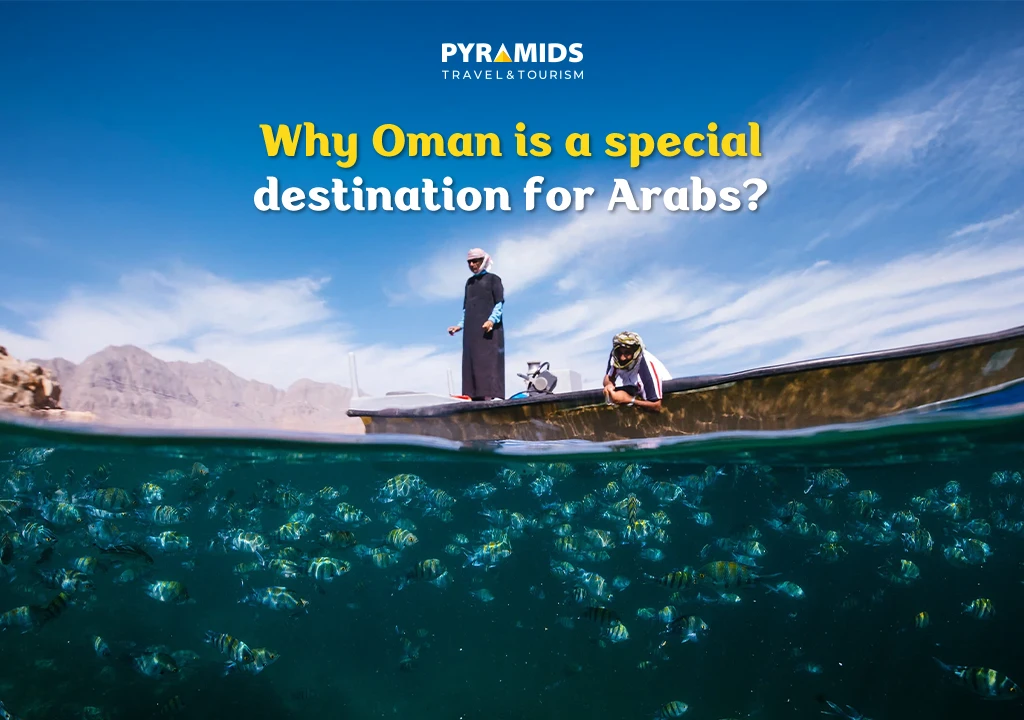
Oman holds a special place in the hearts of travel enthusiasts across the Arab world, as it’s a destination that beautifully combines natural diversity, authenticity, and rich culture.
It offers a complete experience that visitors rarely find elsewhere, making tourism in Oman the perfect choice for Arab travelers seeking a mix of enjoyment, relaxation, and adventure.
Why Oman is a special destination for Arab travelers
Oman is located on the Arabian Peninsula and overlooks both the Arabian Gulf and the Arabian Sea, giving it a unique landscape that combines long stretches of beaches, towering mountains, and lush valleys, in addition to its vast and stunning deserts.
This geographical diversity makes it a destination that caters to all tastes, whether you’re a fan of the sea and diving, mountain climbing and desert safaris, or simply seeking a serene and peaceful atmosphere.
One of the most remarkable features of tourism in Oman is its safety and stability, which give families and travelers a sense of comfort and peace of mind across all its cities and regions. The Omani people are also known for their generosity and warm hospitality, making every visitor feel as if they’re among family and friends.
Culturally, Oman preserves its authentic spirit, reflected in its historic forts such as Nizwa and Bahla, and in its traditional markets like Muttrah Souq, where the scents of incense blend with spices and handmade fabrics. Those who visit Salalah during the Khareef (monsoon) season will witness the landscape transform into a breathtaking green oasis a truly unique experience in the heart of the desert.
For nature lovers, the Sultanate is home to enchanting valleys such as Wadi Shab and Wadi Bani Khalid, where crystal-clear waters flow amid stunning natural scenery. Oman is also famous for its islands, like the Daymaniyat and Masirah Islands, true paradises for diving enthusiasts and those who enjoy observing turtles and coral reefs. All these elements combine to make the travel experience in Oman rich, diverse, and unforgettable.
In addition, Oman is committed to developing its tourism sector in a balanced way that preserves the environment and protects its cultural heritage. This makes it a preferred destination for travelers seeking an authentic yet sustainable experience.
It can be said that tourism in Oman is not just a short trip, but an adventure filled with lasting memories, blending the charm of nature, the warmth of hospitality, and the spirit of tradition.
Read also about ↗Tourist Trips to Egypt for Arab Travelers 2025
Visa and travel procedures for Arab visitors

Entry procedures to Sultanate are among the key factors that make traveling to Oman easier for Arab visitors. Omani government has developed an integrated system that allows travelers to enter the country with ease and security.
Evisa
Oman offers an eVisa service that can be obtained through the Royal Oman Police’s official website, making the entry process faster and more flexible. Travelers can submit their application and payment online and receive approval before their trip, ensuring a smooth and well-organized experience, especially for those planning short or leisure visits.
Visa Exemption
One of the key steps that has encouraged the growth of tourism in Oman among Arab travelers is the decision to exempt citizens of more than 100 countries from visa requirements for a 14-day stay. This decision applies to many Arab countries, including Egypt, Lebanon, Jordan, and Morocco, as well as several other nations around the world.
Entry Requirements
To benefit from this exemption, visitors must meet the following requirements:
- A passport valid for at least six months
- A confirmed return ticket
- A confirmed hotel reservation
- Health insurance coverage
- Sufficient financial means to cover the duration of stay
To benefit from this exemption, visitors must meet the following requirements:
If you want to apply for visa you can apply From here
Duration of Stay Allowed in Oman
Stays in Oman under the visa exemption or tourist visa are limited to 14 days only and cannot be extended or converted into a long-term residence permit.
However, a traveler’s spouse and accompanying children can still benefit from this exemption even if they are not citizens of a country included in the approved list.
Oman Visa for GCC Citizens
To promote tourism in Oman among Arab travelers, citizens of GCC countries are exempt from obtaining a prior visa and can enter using only their passport or even their national ID card.
This policy reflects the strong ties between the Sultanate and Gulf countries.
Such facilitations have made tourism in Oman for Arab travelers a smooth and hassle-free experience.
Best time to visit Oman
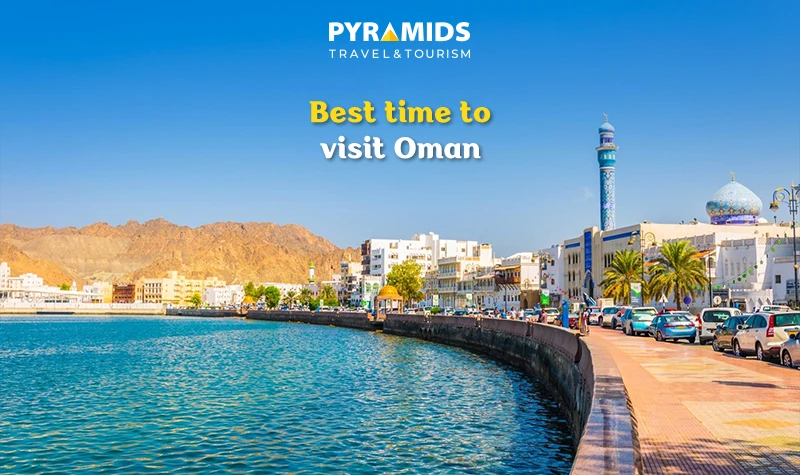
Oman is one of the most beautiful and unique tourist destinations, attracting travelers with its diverse landscapes of mountains, beaches, and deserts. However, choosing the right time for your trip is a key factor in ensuring an enjoyable and ideal experience. When it comes to traveling to Oman, climate plays the biggest role in determining which activities and places can be best enjoyed.
Winter Season: October to April
The best time to visit Sultanate of Oman extends from October to April, when temperatures drop to between 17°C and 30°C, offering mild and ideal weather for travel and exploring various tourist activities.
During this period, Arab travelers can enjoy desert trips and visit sand dunes, or go on mountain tours such as Jabal Shams and Jabal Akhdar.
They can also explore traditional markets in Muscat and Nizwa.
This season is also perfect for beach and water sports lovers, as the sea becomes pleasantly warm for swimming, diving, and observing rich marine life.
Summer Season: May to September
During the summer season, temperatures can rise above 40°C in some areas, making outdoor activities less comfortable. However, this period still has its advantages. Adventure seekers and those looking for tranquility can enjoy visiting high-altitude areas such as Jabal Akhdar, where the weather is relatively cooler.
There’s also the opportunity to experience Khareef (monsoon) season in Salalah, Dhofar Governorate, which usually begins in June and lasts until September. During this time, Salalah transforms into a unique destination with lush landscapes and light rainfall, making it a key highlight in Oman’s tourism programs for Arab travelers.
Events and Festivals in Sultanate of Oman
Choosing the time to travel is not only about the weather but can also be linked to the festivals and events hosted across the Sultanate throughout the year.
For example, the Muscat Festival is usually held in January and February, a great opportunity to explore traditional arts, handicrafts, and Omani cuisine.
Similarly, Salalah Tourism Festival during Khareef (autumn) season is a major event that attracts thousands of visitors from various Arab countries.
Read also about ↗ 10 Travel Tips You Need to Know
Top Cities and Tourist Attractions in Oman
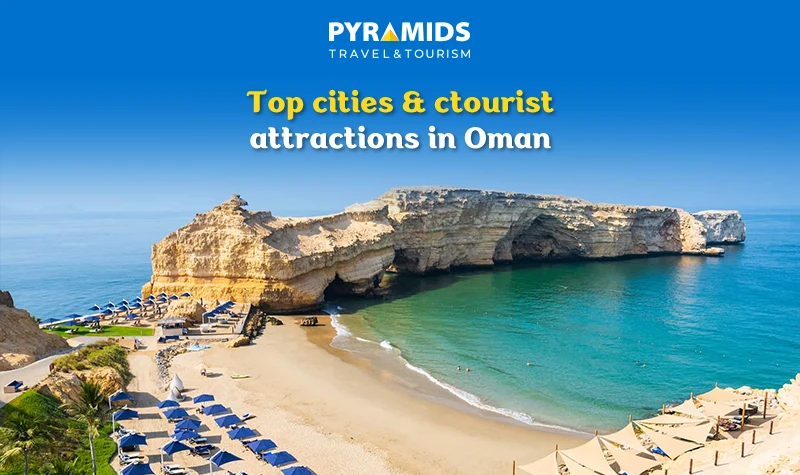
Oman is distinguished by the diversity of its cities and tourist attractions, which reflect the richness of its history, the beauty of its nature, and the charm of its authentic culture.
Exploring its main cities and iconic landmarks offers visitors a unique blend of authenticity and modernity.
Muscut
Muscat is the vibrant heart of Sultanate and the first stop for most visitors. The city is known for its architecture that beautifully blends traditional and modern styles.
Among its most prominent landmarks is the Sultan Qaboos Grand Mosque, a stunning architectural masterpiece. Muscat also features the scenic Muttrah Corniche overlooking the sea, along with its traditional markets such as Muttrah Souq, where visitors can find Omani handicrafts and unique souvenirs.
Nizwa
Nizwa, known as the “Pearl of Islam” for its historical and religious significance, is an ideal destination for heritage lovers.
The city is home to the famous Nizwa Fort, which reflects traditional Islamic architecture and the legacy of ancient Omani civilization. It also features vibrant local markets renowned for selling Omani daggers (khanjars) and silver crafts.
A visit to Nizwa offers travelers a deeper understanding of Oman’s rich cultural and historical heritage.
Salalah
In Dhofar Governorate lies the city of Salalah, which transforms into a green paradise during Khareef (monsoon) season, with light rains and misty weather.
Salalah is a unique destination for nature lovers, offering visits to attractions such as Wadi Darbat Waterfalls and the turquoise waters of Al Mughsayl Beach.
Salalah Tourism Festival also attracts thousands of Arab visitors every year, making the city a key highlight in tourism programs across Oman for Arab travelers.
Sur
Sur is famous for its long-standing history in maritime navigation and traditional shipbuilding, where visitors can watch skilled craftsmen constructing wooden ships using age-old techniques.
In addition, Sur serves as the perfect gateway to explore Oman’s eastern coastline, including Ras Al Hadd, one of the most important sites for observing sea turtles.
Sohar
Sohar is located on the northern coast of the country and is known for its rich history linked to the legendary sailor Sinbad from Arabian tales.
city features Sohar Fort, which showcases Islamic architecture, as well as a beautiful corniche and lively local markets.
Jabal Akhdar and Jabal Shams
No trip to Oman is complete without visiting its majestic mountains, Jabal Akhdar, known for its pomegranate and rose cultivation, and Jabal Shams, the highest peak in Sultanate, offering breathtaking panoramic views.
Cultural and heritage experiences in Oman
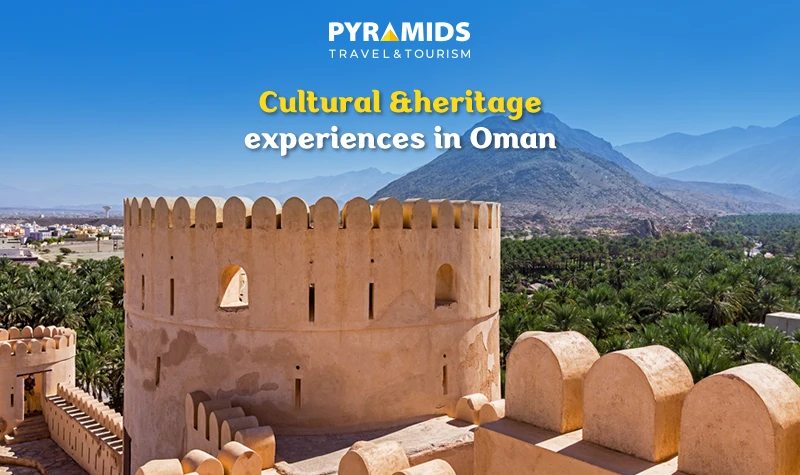
Sultanate of Oman is distinguished by its rich cultural heritage, reflected in the details of daily life and the many historical sites that preserve the authenticity of the past and the spirit of the present.
One of the most remarkable aspects of tourism in Oman is this cultural diversity that blends deep-rooted traditions with modern expressions, offering visitors a complete and exceptional experience.
Omani cities such as Muscat, Nizwa, and Sohar are home to numerous historic forts and castles that played a vital role in the nation’s history, including Nizwa Fort and Bahla Fort, which is listed as a UNESCO World Heritage Site.
These landmarks are not just ancient monuments but living witnesses to Oman’s enduring and rich cultural legacy.
The cultural experience in Oman goes beyond historical landmarks to include traditional arts and handicrafts.
Arab travelers can visit popular markets such as Nizwa Souq and Muttrah Souq, where they’ll find handmade silverware, Omani daggers (khanjars), and beautifully woven carpets. These items are not just souvenirs, they carry a piece of Oman’s authentic cultural spirit.
In addition, cultural festivals and heritage events such as the Muscat Festival and the Salalah Tourism Festival offer artistic and musical performances, as well as educational activities that introduce visitors to various aspects of local culture, including traditional music, dances, and cuisine.
When speaking of Omani culture, one cannot overlook the hospitality that distinguishes its people. Traditional Arab customs, such as offering Omani coffee and dates to guests, remain deeply rooted in daily life, reflecting the warm and welcoming spirit that visitors feel from the moment they arrive.
Nature also plays a key role in enriching Oman’s cultural dimension, as the lives of Omanis have long been connected to the sea, desert, and mountains, a bond reflected in their daily activities and folk tales.
This harmony between people and nature has produced a rich heritage that highlights the deep connection between the environment and the community.
Exploring Oman’s cultural and heritage experiences offers travelers a unique opportunity to connect with an ancient civilization that remains alive in the details of daily life.
It is an experience that goes beyond leisure, a journey into the depth of the region’s authentic identity and rich history.
Top Tourist Activities in Oman
Tourism in Oman offers an exceptional experience thanks to the wide range of activities it provides, combining adventure, relaxation, and authentic cultural discovery. It also offers enriching experiences that make every journey full of unforgettable memories.
Among the must-do activities is exploring the capital, Muscat, where visitors can wander through the traditional Muttrah Souq to shop for oriental perfumes and silverware, and visit the Sultan Qaboos Grand Mosque, an architectural masterpiece of Islamic design. The city also offers wonderful opportunities to enjoy stunning sea views and explore its historic ports.
For nature and adventure seekers, Wadi Shab and Wadi Bani Khalid are among the most beautiful destinations, offering visitors the chance to swim in crystal-clear waters surrounded by mountains.
Ras Al Jinz is a haven for nature lovers, where visitors can observe sea turtles during the nesting season, while Jabal Shams, the highest peak in Oman, provides an ideal experience for camping and mountain hiking enthusiasts.
Among the activities that enrich the journey are also taking sea trips in Musandam to watch dolphins and dive among coral reefs, in addition to experiencing desert safaris in Wahiba Sands, where one can enjoy camel riding or camping under a star-studded sky. These experiences allow the visitor to immerse themselves in the essence of Omani Bedouin life.
Nor can Omani cuisine be overlooked as part of the tourism experience; visitors can sample local dishes such as Omani shuwa and harees, adding an enjoyable cultural dimension to the trip.
Tourism in Oman offers an exceptional experience thanks to the wide range of activities it provides, combining adventure, relaxation, and authentic cultural discovery. It also offers enriching experiences that make every journey full of unforgettable memories.
Read Also↗Tips about visiting UAE
Practical Tips for Arab Travelers to Oman
Oman is one of the most favored destinations in the Gulf, thanks to its stunning nature, rich culture, and generous hospitality. To make your trip smoother and more enjoyable, here are some practical tips worth keeping in mind:
First, regarding the visa: many Arab nationals benefit from simplified entry procedures to Oman, whether through an e-visa or visa-on-arrival. Still, always double-check the latest requirements on the Royal Oman Police website before you travel.
Second, for getting around: renting a car is the best way to move freely between cities and natural sights, especially if you plan to visit wadis or mountains. Oman’s roads are high-quality, but drive cautiously in mountain or desert areas.
Third, the best time to visit is October to April, when the weather is mild and perfect for outdoor activities like camping, hiking, or beach-hopping.
Budget-wise, Oman caters to every wallet: five-star beach resorts, mid-range hotels, and simple guesthouses all coexist. For souvenirs, traditional souqs such as Muttrah offer locally made items at reasonable prices, great mementos without breaking the bank.
And don’t leave without tasting true Omani hospitality in a local restaurant—order the slow-roasted shuwa and fragrant majboos to understand why Omanis are famed for their warmth.
Follow these tips and your Arabian journey through Oman will be smoother, safer, and packed with unforgettable discoveries.
For more details about our offers and tour packages, don’t hesitate to contact us today.
#Your_Trip_Is_Our_Responsibility #Your_Comfort_Is_Our_Priority