

Top Historical Places in AlUla


AlUla is one of the most prominent historical and archaeological regions in Saudi Arabia, with a rich history that dates back thousands of years. Located in northwest Saudi Arabia, AlUla is distinguished by its strategic geographic location, which made it an important center for ancient civilizations and a major stop along the historical trade routes in Arabian Peninsula. This location contributed to the prosperity of the region and transformed it into a meeting point for different cultures, as ancient trade caravans passed through it from southern Arabian Peninsula heading toward Levant and Mediterranean regions.
AlUla is home to a large number of archaeological sites that reflect the succession of civilizations that settled in the region throughout history, such as the Dadanite and Lihyanite civilizations, in addition to Nabataean civilization, which left a clear mark on many famous archaeological landmarks. Rock inscriptions, tombs, and ancient temples are also spread throughout AlUla, documenting various aspects of social, religious, and economic life during those eras. For this reason, AlUla is considered an open historical record that reflects the development of human civilization in this region of the world.
Mada’in salih : The First Saudi Site on the UNESCO World Heritage List
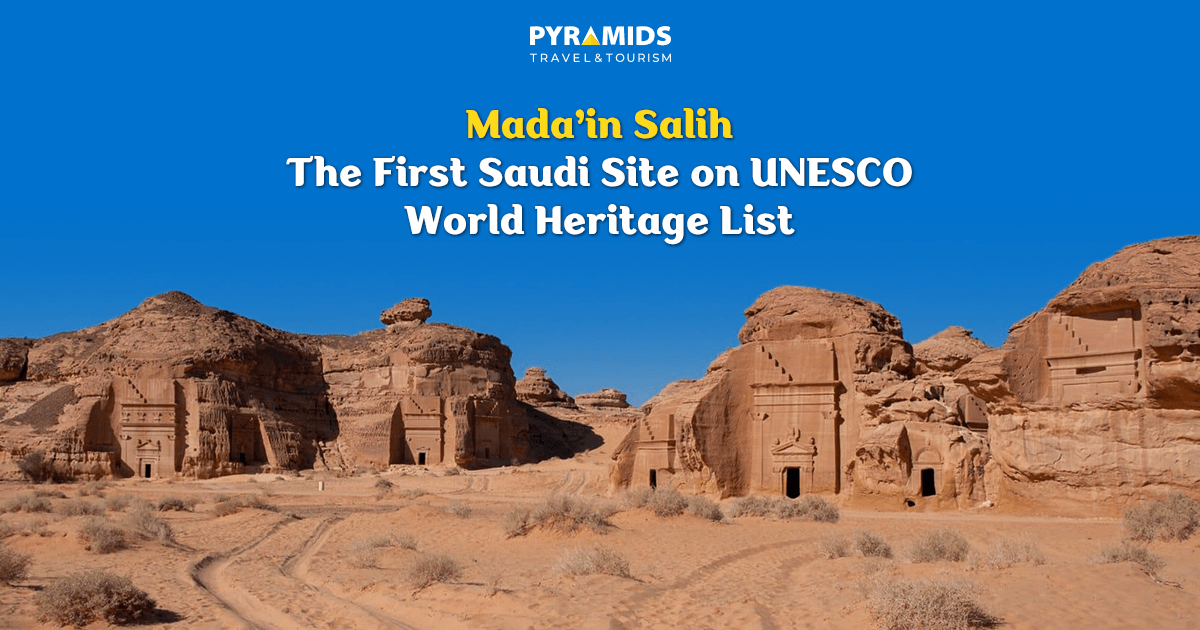
Madain Salih is considered one of the most important archaeological sites in Saudi Arabia and the Arab world. It is located in the northwest of the country near AlUla. Historically, the site is known as Al-Hijr, and it served as a prominent cultural center within the Nabataean Kingdom in the southern part of the Arabian Peninsula.
In 2008, UNESCO added the site to the World Heritage List, making it the first site in Saudi Arabia to receive this international recognition due to its great historical and archaeological significance.
Madain Salih is famous for its large collection of monumental rock-cut tombs carved into sandstone mountains, which are considered among the most remarkable examples of Nabataean rock architecture. The site contains around 111 tombs, including about 94 tombs with decorated façades that reflect the remarkable skill of Nabataean sculptors and the diversity of their artistic and architectural styles, with influences from ancient civilizations such as Egyptian, Greek, and Assyrian cultures.
In addition, Madain Saleh contains ancient inscriptions and writings that document the life of Nabataeans and their social and religious customs. These inscriptions were written in several languages and scripts, including Nabataean, Thamudic, Greek, and Latin, reflecting the cultural and civilizational interactions that characterized the region throughout history.
Among the most prominent landmarks of Madain Saleh is Qasr al-Farid, a massive rock-cut tomb distinguished by its façade carved into a single isolated rock in the middle of the desert. It is considered one of the most photographed landmarks in AlUla.
Other important tombs are also spread across the site, such as Qasr al-Bint and Jabal al-Mahjar, in addition to ancient wells and water systems that demonstrate the ingenuity of the Nabataeans in managing water resources in the harsh desert environment.
Visiting this site offers visitors a unique opportunity to learn about one of the most important chapters of ancient history in the region, while enjoying its rich cultural heritage and the captivating historical and archaeological landscapes.
Read More: Tourism in Saudi Arabia for Arab Travelers
Top Historical Landmarks in AlUla
The Old Town in AlUla
The Old Town in AlUla represents the heart of the region’s historical life. It includes numerous houses, shops, and narrow alleys, as well as adjoining mud-brick homes that reflect traditional urban planning. The Old Town was an important stop on the pilgrimage and trade route between the Levant and Mecca, showcasing the skill of its inhabitants in using local materials and organizing both residential and commercial spaces.
Jabal Ikmah is known as the “open library” for its vast collection of rock inscriptions dating back to the Dadanite and Lihyanite civilizations. These inscriptions document trade relations and ancient languages, making the site a fundamental source for understanding the development of culture and civilization in the northern Arabian Peninsula.
Dadan was the capital of both the Dadanite and Lihyanite kingdoms, flourishing between the 8th and 1st centuries BCE. The site is renowned for its rock-cut tombs and ruins that reflect the architecture, writing, and religious practices of that era. It also played a central role in trade, serving as a key hub along the ancient incense routes.
Qasr al-Farid is the most famous Nabataean tomb in AlUla. Its name, “al-Farid,” means “the unique one,” highlighting its isolation from the other tombs. The tomb was entirely carved from a single rock, and its architectural details showcase the skill of Nabataean sculpture and design, making it a unique archaeological masterpiece in the region.
AlUla Castle is situated on a hill overlooking the Old Town and was used as a defensive fortress to protect the inhabitants, trade routes, and pilgrimage paths from attacks. It also served as a strategic observation point, reflecting control and power in the region across different historical eras.
The Hejaz Station in Madain Saleh is one of the remnants of the Hejaz Railway project, which was established in the early 20th century during the Ottoman era to connect Damascus with the holy cities. The station played a crucial role in facilitating the movement of pilgrims and the transport of goods. Today, the remains of its buildings and iron structures still tell the story of this historical engineering achievement.
Best Time to Visit Historical Sites in AlUla

- Winter (October – March):
This season is considered the best time to visit AlUla, with mild weather ideal for exploring historical landmarks and enjoying outdoor tours. It also attracts many tourists due to the pleasant climate and the hosting of numerous cultural events in the region. - Spring (March – May):
Spring is a relatively suitable time to visit AlUla, especially in its early months, when temperatures are moderate, allowing for the exploration of archaeological sites and outdoor activities before the summer heat sets in. - Autumn (September – November):
Autumn marks the beginning of the tourist season in AlUla, as temperatures gradually decrease after the hot summer months, making the weather more favorable for visiting historical sites and strolling around the area.
Tips for Visiting Historical Sites in AlUla
- Choose the right time to visit: It is recommended to visit AlUla during months with moderate weather, such as autumn and winter, when temperatures are suitable for exploring historical sites.
- Plan your trip in advance: It is best to book tickets or guided tours ahead of time, especially when visiting popular sites like Madain Saleh, to avoid crowds and ensure a comfortable experience.
- Wear comfortable clothing and shoes: Exploring AlUla’s archaeological landmarks involves walking between different sites, so wearing suitable shoes and comfortable clothing is advisable for ease of movement.
- Protect yourself from the sun: Use sunscreen and wear a hat or sunglasses, especially during daytime tours in open areas.
- Follow site guidelines: Visitors should adhere to instructions at historical sites and stick to designated paths to help preserve the monuments and ensure safety.
- Hire a tour guide: Guided tours can add significant value, providing important historical insights about the civilizations that lived in AlUla and its archaeological landmarks.
Read More: Umrah Travel Guide: Essential Tips for Arab Travelers
Why AlUla Deserves a Place on Your Historical Travel List
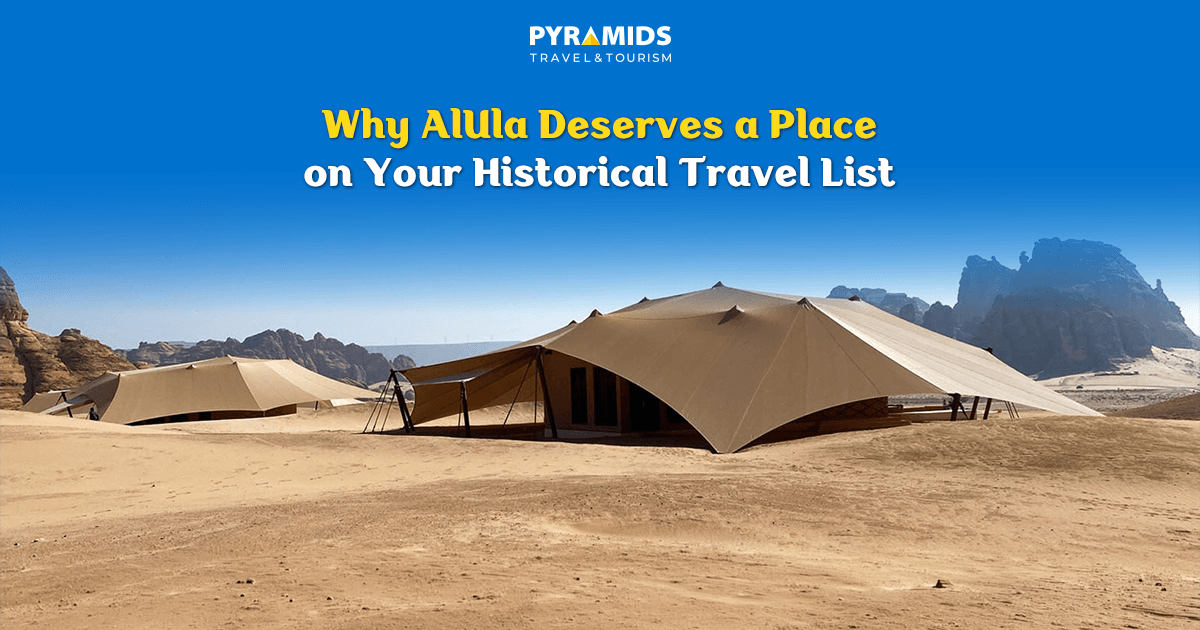
AlUla holds a special place among historical destinations in Saudi Arabia and the Arab world, thanks to its unique archaeological and cultural richness. The region is home to a wide array of historical sites dating back to ancient Arabian civilizations. The presence of prominent landmarks, such as Madain Saleh—also known as Al-Hijr—further enhances AlUla’s significance, as it was the first site in Saudi Arabia to be inscribed on the UNESCO World Heritage List.
AlUla’s significance is not limited to its historical value; it also extends to its natural beauty, combining stunning rock formations with lush oases. This offers visitors an experience that blends the exploration of history with the enjoyment of breathtaking landscapes. Moreover, the increasing efforts to develop the region and preserve its cultural heritage have transformed AlUla into one of the leading cultural tourism destinations in the Middle East, attracting visitors from around the world to discover its rich history and unique archaeological landmarks.